
low e tempered glass
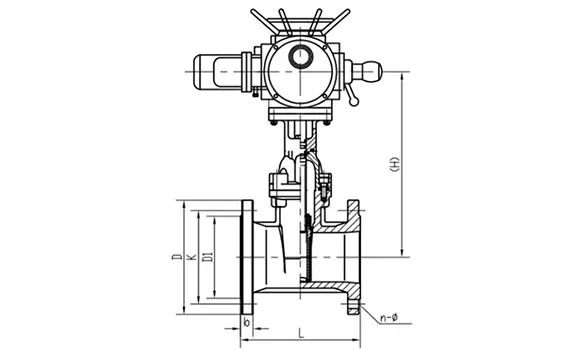
When it comes to choosing the right gate valve, price is often a primary consideration for both industries and contractors. Gate valves are essential components in numerous piping systems, allowing for the efficient control of fluid flow. The prices of these valves can vary significantly, particularly in the context of a 3-inch or 4-inch gate valve, as various factors influence their cost. . Material composition is another crucial factor influencing price. Gate valves can be constructed from various materials, including brass, stainless steel, and ductile iron. For example, a stainless steel 4-inch gate valve will likely command a higher price than its cast iron counterpart. This is because stainless steel offers greater durability and corrosion resistance, making it ideal for applications involving harsh chemicals or high temperatures. 3 4 gate valve price The brand and manufacturer also play a significant role in pricing. Established names in the valve manufacturing industry may charge a premium for their products, which often come with longer warranties, proven reliability, and superior performance. While it may be tempting to opt for cheaper alternatives, investing in a quality valve can result in lower overall costs due to reduced maintenance and replacement needs. Another consideration is the valve's design and features. Some gate valves come equipped with additional components—such as handwheels, electric actuators, or automation capabilities—that can substantially increase the price. On the other hand, a basic manual gate valve may be more affordable but might not provide the same level of convenience or efficiency. In summary, if you're in the market for a 3-inch or 4-inch gate valve, it's essential to consider various factors that influence pricing. While the upfront cost of the valve can be significant, evaluating aspects such as material, brand, and additional features can help you make a more informed decision. Aim to balance cost with durability and long-term performance to ensure that your investment yields the best results in your application, ultimately leading to efficient operation and cost savings over time.
about
low e tempered glass
Understanding the Pricing of 16% Gate Valves Gate valves play a crucial role in various industrial applications, providing an efficient means of controlling fluid flow. Among the various types of valves, the gate valve is preferred for its ability to offer a straight-line flow path, minimal pressure drop, and the capability to fully open or close the flow. This article will explore the factors influencing the price of gate valves, particularly those with a 16% rating, which typically signifies their durability and performance in moderate pressure applications. What is a Gate Valve? A gate valve is a type of valve that opens by lifting a rectangular or circular gate out of the path of the fluid. This design makes it particularly suitable for applications where the flow needs to be either fully on or fully off, rather than throttled. Gate valves are commonly used in pipelines, water supply systems, and various industrial applications, and their effectiveness can significantly impact the overall operation of a system. Factors Influencing the Price of 16% Gate Valves The price of gate valves, including those rated at 16%, can vary widely based on several key factors 1. Material Composition The material from which a gate valve is made heavily influences its price. Common materials include cast iron, brass, stainless steel, and bronze. Stainless steel valves, for instance, tend to be more expensive than those made from cast iron due to their resistance to corrosion and longer lifespan. 16 gate valve price 2. Size and Dimensions The size of the gate valve is another key factor in its pricing. Larger valves require more material and may involve more complex manufacturing processes, leading to higher costs. 3. Manufacturer and Brand Reputation The brand reputation of the manufacturer can also affect the price. Established manufacturers with a track record of producing high-quality, reliable valves may charge a premium. Conversely, lesser-known brands may offer lower prices, but this can sometimes come at the cost of quality or reliability. 4. Application and Use Case The intended application can influence valve pricing as well. For instance, gate valves used in critical infrastructure, such as water treatment facilities or industrial plants, may be designed with higher standards and more stringent quality controls, leading to higher costs. 5. Market Conditions Supply and demand dynamics can affect pricing. During periods of high demand or shortages in material supply, prices for gate valves can increase. Additionally, fluctuations in steel prices, tariffs, and global trade issues may further impact costs. 6. Customization and Features Custom features, such as specific types of actuators, coatings for corrosion resistance, or ratings for extreme temperatures, can also drive up the price. Standard valves tend to be more cost-effective than those requiring unique modifications or specifications. Conclusion When considering the purchase of a 16% gate valve, it is essential to understand the various factors that influence its price. By evaluating the material, size, brand reputation, application needs, market conditions, and any necessary customizations, buyers can make more informed decisions. Investing in the right gate valve not only supports optimal flow control but also contributes to the efficiency and longevity of the overall system. As with any industrial purchase, careful consideration of these elements will lead to better performance and value over time.
-

High quality industrial productsagement

High quality industrial products
View Details -

Meet the diverse needs of customers

Meet the diverse needs of customers
View Details -

Strict quality control

Strict quality control
View Details -

Top raw materials

Top raw materials
View Details -

Trusted supplier

Trusted supplier
View Details
Our application
news and information
Vanne papillon 15 mm - Performances et applications
La vanne papillon de 15 mm est un élément essentiel dans le domaine de la régulation des fluides. Gr
Using a Spirit Level for Accurate Measurements and Leveling Techniques
Understanding Spirit Level Measurements A Guide to Precision in Construction and Crafting In constru
Y Type Water Strainer for Efficient Filtration and Flow Management Solutions
Understanding Y-Type Water Strainers A Key Component for Fluid Management Water strainers are critic
 English